
Exploring PRP: What Is Platelet-Rich Plasma?
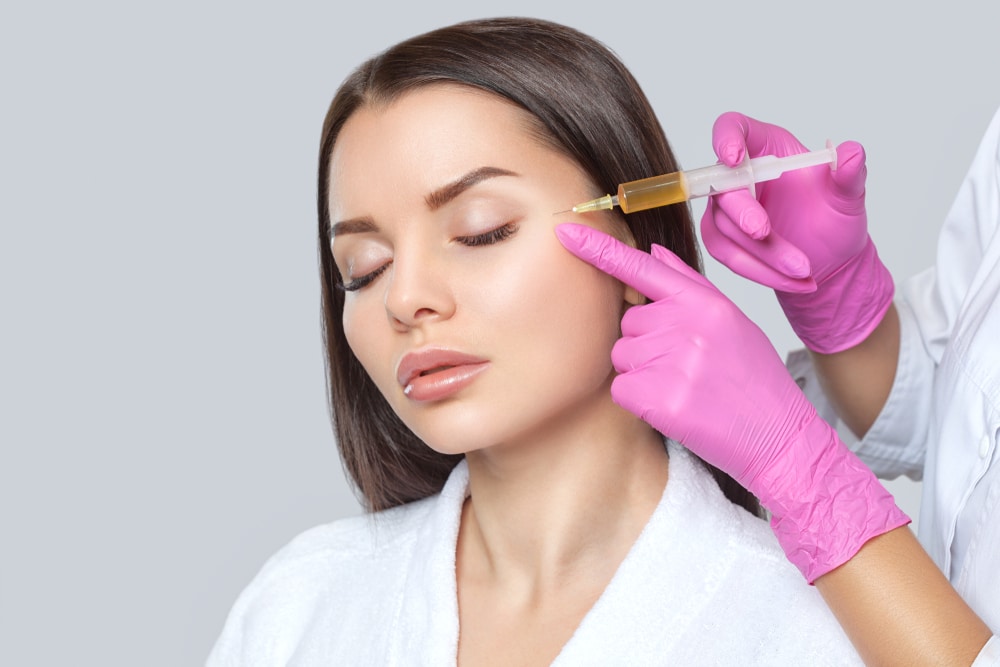
Platelet-rich plasma (PRP) therapy offers an option for patients seeking effective, drug-free treatments. Derived from your own blood, PRP leverages the natural growth factors in platelets to enhance healing and regeneration. At Sports MedSpa in San Diego, CA, we use PRP therapy to align with our belief in natural and non-invasive approaches to medical aesthetics and sports medicine. Our motto, “Athletic and Aesthetic,” reflects our focus on improving both your physical performance and aesthetic appearance. PRP therapy can help achieve these goals by promoting faster recovery from sports injuries and improving the overall health and appearance of your skin. What Is PRP? PRP therapy involves using a concentrated form of a patient’s own platelets, derived from their blood, to enhance the healing of damaged tendons, ligaments, muscles, and joints. This method harnesses the body’s inherent healing abilities, accelerating them through PRP stimulation. The concentration of platelets allows for the utilization of their growth factors, which improves tissue repair compared to traditional methods without PRP. What Are the Components of PRP? PRP is composed primarily of two elements: plasma, the liquid portion of blood, and platelets, which are critical for blood clotting. Platelets also contain growth factors that initiate and accelerate tissue repair and regeneration. These components work together to create an environment that fosters healing and speeds up recovery time. How Is PRP Obtained? To prepare PRP injections, a small amount of blood is drawn from the patient’s arm. This blood is then placed in a centrifuge, where it is spun at high speeds to separate the platelets from the red blood cells and other components. The concentrated platelet-rich plasma is extracted from the rest of the blood and then prepared for injection into the affected area. This process concentrates the healing elements of the blood, providing a potent therapeutic tool. PRP in Facial Rejuvenation In facial rejuvenation, PRP therapy uses injections to revitalize the skin. By injecting PRP into specific areas of the face, the treatment encourages a natural remodeling of the skin, enhancing its overall texture and resilience. How PRP Injections Enhance Facial Aesthetics Collagen and Elastin Stimulation PRP injections stimulate the production of collagen and elastin, two of the most important proteins for skin elasticity and strength. The growth factors in PRP activate the skin’s fibroblasts, which are cells responsible for collagen synthesis. This not only helps to tighten sagging skin but also enhances its structural integrity for a more youthful complexion. Skin Tone and Texture Improvement Improving skin tone and texture is another benefit of platelet-rich plasma treatments. The growth factors in PRP promote cell turnover, which can even out skin pigmentation and refine the skin’s texture. This treatment is particularly effective for those who want to achieve a smoother, more radiant complexion without invasive procedures. Reduction in Fine Lines and Wrinkles PRP therapy effectively addresses fine lines and wrinkles by promoting the skin’s natural healing processes. The concentrated platelets in PRP help to fill in lines and create a smoother skin surface. As the skin regenerates, it gradually diminishes the appearance of wrinkles. Scar Treatment Scar treatments with PRP therapy involve injecting the PRP directly into the scar tissue. This process initiates a healing response that can reduce the appearance of scars by improving the skin’s texture and color. PRP is particularly useful for acne scars, surgical scars, and other types of skin indentations and marks, helping to blend them more seamlessly with the surrounding skin. PRP for Hair Restoration PRP is increasingly used for hair restoration, leveraging the natural growth factors in platelets to stimulate the hair follicles. By injecting PRP treatment into the scalp, it promotes hair density and strength and rejuvenates dormant hair follicles. This method is preferred for its use of the body’s own biological materials to improve hair growth without reliance on daily medications or creams. The Process of PRP Therapy for Hair Loss Scalp Preparation: Before a PRP treatment can begin, the scalp must be properly prepared to maximize the effectiveness of the therapy. This preparation typically involves cleaning the scalp and possibly administering a topical anesthetic to minimize discomfort during the injection process. Injection Techniques: The technique for PRP injections involves carefully placing the plasma into the layers of the scalp where hair thinning has occurred. Using fine needles, the PRP is distributed evenly across affected areas to stimulate and nourish the hair follicles. Optimal Treatment Schedules: Maintaining an optimal schedule maximizes the benefits of platelet-rich plasma for hair loss. Treatment typically consists of a series of injections spaced over a period of months, with maintenance treatments scheduled occasionally to sustain hair growth. PRP for Joint Health PRP therapy improves joint health by using the properties of platelet-rich plasma to encourage healing. This therapy targets painful joints by reducing inflammation and promoting the repair of damaged tissues naturally. It is particularly effective for patients seeking alternatives to surgery or pharmaceutical treatments, providing relief and enhanced mobility with minimal downtime. Types of Joint Issues Treated With PRP Arthritis Arthritis sufferers can benefit from PRP therapy, which helps to alleviate joint pain and stiffness. The treatment injects PRP directly into the arthritic joint, where its anti-inflammatory properties and growth factors can mitigate the degenerative effects of arthritis. Tendonitis For those dealing with tendonitis, PRP treatment introduces platelet-rich plasma into the affected tendons. The treatment can lead to a reduction in pain and an increase in tendon resilience. This is particularly valuable for chronic cases where other treatments have not yielded substantial improvements. Ligament Injuries PRP therapy is also effective in the treatment of ligament injuries, where it accelerates healing by promoting cell regeneration at the injury site. This application of PRP helps to shorten the overall recovery time and enhances the healing of ligaments, which are often slow to recover due to their poor blood supply. Use Your Body’s Own Healing Capabilities With PRP At Sports MedSpa, PRP therapy combines the science of healing with aesthetic enhancement. As a physician-owned clinic in San Diego, CA, we focus on
What Does a Sports Physical Exam Entail? A Comprehensive Guide

Sports physicals are not only pivotal for young athletes but also hold equal importance for adults. These examinations help you understand the limits and capabilities of your body, helping you to safely push your boundaries. They are crucial for assessing your physical health, preventing injuries, and understanding your fitness levels. At Sports MedSpa in San Diego, CA, our approach to sports physicals extends beyond basic assessments. We employ a variety of tests to gauge your physical condition and athletic performance. Understanding Sports Physicals A sports physical evaluates your overall health and fitness before participating in athletic activities. It involves checking vital health metrics to assess your physical condition and readiness for sports. This examination identifies any existing injuries or conditions that could affect your performance or increase the risk of injuries. Who Should Get a Sports Physical and Why? Anyone looking to engage in organized sports or start a new fitness regimen should consider a physical fitness test. These evaluations are not just for professional athletes but for anyone aiming to understand their body’s readiness for physical activity. Getting a sports physical can guide adjustments in your training or treatment plans to better align with what your body is capable of. Key Components of a Sports Physical Exam Body Composition Analysis During sports physicals, body composition analysis, conducted with tools like the Inbody 570, provides a detailed breakdown of body fat, muscle mass, bone mass, and water percentages. Understanding your body composition can be important for designing fitness plans, building nutritional programs, and reaching fat loss or muscle-building goals. Cardiovascular Evaluation A cardiovascular evaluation includes tests like ECG (electrocardiogram) to monitor heart health and detect any underlying conditions. This examination helps assess your heart’s ability to endure physical activity and is vital for creating a safe and effective exercise plan. Lung Function Tests Lung function tests, including spirometry, are used during sports physicals to assess breathing and lung capacity. These tests help determine how well your lungs provide oxygen to your body during intense activities. This can help optimize your athletic performance and promote safe participation in sports. Musculoskeletal Examination A thorough musculoskeletal examination is a key element of a sports physical. It evaluates bone, muscle, and joint health, identifying areas of weakness, imbalance, or injury risk. Flexibility and Strength Assessment Flexibility and strength assessments as part of a physical fitness test measure your muscular strength and joint flexibility. Insights from these tests assist in designing balanced workout routines that enhance both flexibility and strength. Nutritional Assessment A nutritional assessment aligns with your fitness goals and is an important facet of a performance physical. It examines your dietary habits and nutritional intake to make sure they support your physical activities. Tailoring your nutrition to your body’s needs can significantly impact your energy levels, recovery, and overall athletic performance. The Importance of Regular Health Monitoring for Athletes Regular health monitoring for athletes helps in detecting and addressing health issues before they escalate, promoting a longer and healthier athletic career. It allows athletes to optimize their training, recovery, and performance by making informed decisions based on their health data. Continuous monitoring also provides insights into the effectiveness of training regimens and nutritional plans, which can aid in fine-tuning strategies for peak performance and provide specific metrics that athletes can build on. Setting and Achieving Fitness Goals Through Sports Physicals Understanding Your Baseline A sports physical provides a detailed snapshot of your current health, establishing a critical starting point for any fitness initiative. When you identify your baseline, you can understand your physical capabilities and pinpoint areas needing improvement. Goal Setting With a Health Professional During a sports physical, engaging in goal-setting discussions with a health professional can have an impact on your fitness journey’s success. We can help you to formulate achievable objectives rather than unrealistic goals. This cooperative strategy can help you make sure your aims are all aligned with your physical condition and lifestyle preferences. Monitoring Progress and Re-Assessment Frequent reviews and reassessments are important for tracking progress and adapting your performance physical plan as needed. This allows for modifications in response to your evolving needs, helping you to navigate challenges and maintain momentum in your fitness journey. This cycle of feedback and adjustment keeps you motivated and on track. How Often Should I Get a Sports Physical? The frequency of health monitoring for athletes through sports physicals typically depends on your level of activity and specific health needs. Generally, it is advisable to undergo a sports physical annually to keep up with changes in your health and athletic demands. However, if you’re engaging in intense training or have experienced significant health changes, more frequent evaluations may be beneficial to maintain optimal performance and health. We recommend sports physicals any time there is a significant change to your fitness or exercise routine, when you have specific questions about your body, or when you are experiencing a plateau in progress surrounding your athletic aims. Maximize Your Potential With Regular Sports Physicals in San Diego Sports Physicals at Sports MedSpa in San Diego, CA, are comprehensive and designed to meet each athlete where they are. We love to come alongside the members of our community who are dedicated to a healthy and active lifestyle, and we do this by providing quality health evaluations to support your fitness and performance goals. To schedule your next sports physical or to learn more about our programs, please reach out or call us at (619) 630-9227. We look forward to hearing from you.
What Is PRP Treatment and How Can It Boost Sports Performance?
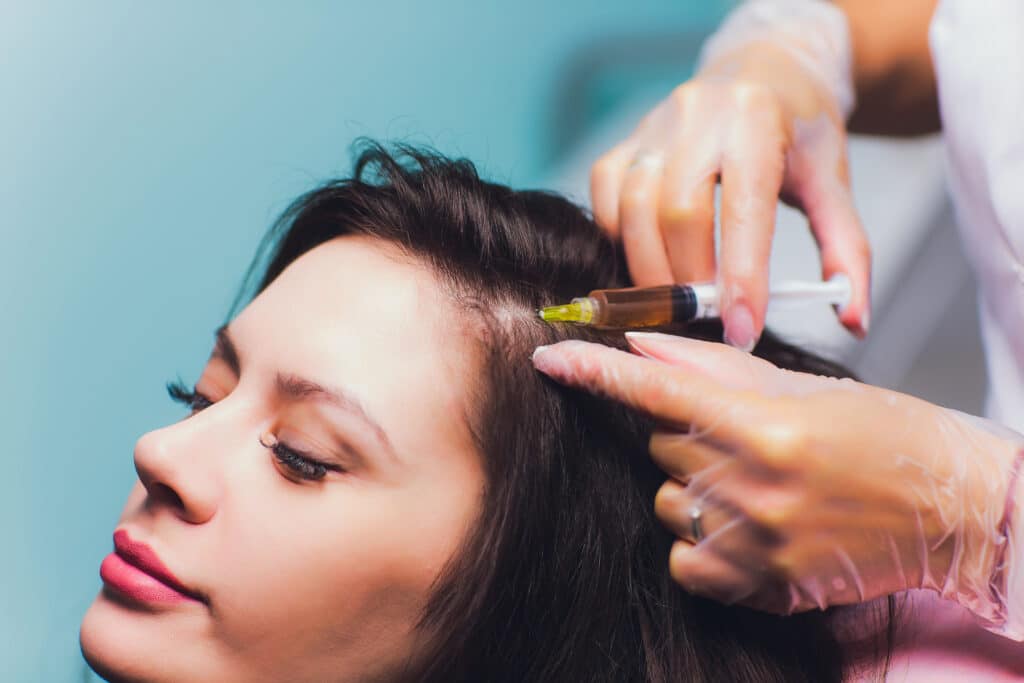
Platelet-rich plasma (PRP) injections are a type of treatment that has been used for both medical and cosmetic applications and can offer many benefits. At Sports MedSpa in San Diego, CA, we love helping our patients to be “Athletic and Aesthetic” and can use our PRP injections to help with healing and recovery and to boost skin and hair health and appearance. In sports medicine, PRP injections can enhance the recuperative process for athletes, helping with recovery from injuries while improving overall performance and providing pain management for sore joints, ligaments, and muscles. Our approach is grounded in evidence-based practices so that our treatments are not just innovative but also effective in helping athletes return to peak performance. What Is PRP? Platelet-rich plasma is a concentrated form of blood plasma that has been enriched with platelets, which are cell fragments that have a part in healing and tissue regeneration. This concentration amplifies the body’s natural healing properties, which can make it useful for many different purposes. It’s derived from the patient’s blood, minimizing adverse reactions and giving patients a med-free alternative to many traditional treatments. How Is PRP Derived? To obtain PRP, a small sample of blood is taken from your arm and spun in a centrifuge, a process that separates the platelets from other blood components. This method concentrates the platelets up to five times their normal amount in blood, creating a powerful substance for regenerative therapy. The resulting platelet-rich plasma is put in a syringe and is ready for use. Platelet-rich plasma (PRP) has many benefits, including: Wound healing: PRP can help with wound healing in trauma and joint injuries. Skin rejuvenation: PRP can help reduce fine lines and wrinkles , improve skin texture, and stimulate collagen and elastin. PRP can also help give patients younger-looking skin. Hair loss: PRP can help with hair loss and may be more effective than Rogaine. Non-Invasive: The non-invasive nature of PRP injections is appealing to athletes, offering significant therapeutic benefits without downtime. Cosmetic procedures: PRP can enhance other cosmetic procedures, such as hair transplants. How Can PRP Be Used Therapeutically? PRP injections can be used to treat a wide range of conditions, from sports injuries to aesthetic concerns. By injecting concentrated platelets directly into the affected area, PRP therapy accelerates the body’s natural healing processes, reducing recovery time and enhancing tissue regeneration. Uses for PRP in Sports Medicine Tendonitis Tendonitis is inflammation or irritation of a tendon, often caused by repetitive, minor impact on the area or from a sudden, more serious injury. Treatment challenges include managing pain while promoting healing without overusing the affected tendon. PRP therapy can be used to help treat tendonitis, offering healing for athletes with this painful condition. Ligament Sprains Ligament sprains involve the stretching or tearing of the ligaments, the fibrous tissue connecting bones. These injuries can destabilize joints and vary in severity, making treatment complex and often requiring lengthy recovery periods. However, PRP injections can introduce growth factors that can help promote the healing environment of these sprains. Muscle Strains Muscle strains are characterized by damage to the muscle or the tendons attached to it, often resulting from overuse or acute injury. Patients with this type of injury have to balance the need for rest to prevent further injury with the desire to maintain strength and flexibility. PRP therapy can help with both by being introduced directly to the site of injury. Joint Pain and Injuries Joint pain and injuries can stem from a variety of causes, including overuse, trauma, and degenerative diseases, leading to discomfort and reduced mobility. These can be difficult for patients and physicians alike due to the complexity of joint structures and the difficulty in achieving effective, long-lasting relief. PRP injections can be administered directly to the affected joint, improving function and alleviating pain. Meniscal Tears Meniscal tears are injuries to the knee’s cartilage, causing pain, swelling, and limited movement. These tears often result from sports activities but can also occur due to aging. PRP therapy allows for a more direct approach to healing that can help your body recover while relieving some of the discomfort and limited mobility. Bursa Pain Bursa pain, or bursitis, is inflammation of the bursae, small fluid-filled sacs that cushion bones, tendons, and muscles near joints. Bursitis often results from repetitive motion or pressure, leading to joint pain and stiffness. Platelet-rich plasma can be applied to the affected area to promote a healthier environment for healing. Why Athletes Are Choosing PRP Injections Faster Healing: PRP treatment accelerates the body’s natural healing process, enabling athletes to return to their activities sooner than they would otherwise. Reduced Inflammation: Athletes opt for PRP injections because they can effectively reduce the inflammation associated with injuries, leading to quicker relief and recovery and overall improvement of mobility. Enhanced Tissue Regeneration: PRP therapy is sought after for its ability to enhance the regeneration of tissues, helping to repair damage more effectively and strengthen the injured area. Non-Invasive: The non-invasive nature of PRP injections is appealing to athletes, offering significant therapeutic benefits without downtime. Potential for Long-Term Relief: Athletes are drawn to PRP for the potential it offers in providing long-term relief from chronic conditions, surpassing the temporary solutions often found in other treatments. Potential to Delay or Avoid Surgery: With its regenerative capabilities, PRP therapy presents athletes with the potential to delay or even avoid surgery for certain injuries. Schedule Your PRP Therapy Consultation Today PRP injection therapy at Sports MedSpa bridges the gap between athletic and aesthetic goals, offering athletes in San Diego, CA, a comprehensive solution for recovery and rejuvenation. Each of our treatments is specially selected to provide the type of benefits our patients are looking for. As part of our services, we leverage the natural healing power of PRP to support our patients as they work to achieve their performance and wellness goals. For more information on how PRP can benefit you, reach out to us via our online form or call us at (619) 630-9227
What Is a Sports Physical for Adults?
What Is a Sports Physical? Athletic training involves physical exercise, but it also goes much deeper than that. It’s about understanding your body’s capabilities and limitations to achieve your athletic goals. Whether you’re an amateur enthusiast or a seasoned athlete, recognizing how far you can push your body is key to both improving performance and preventing injuries. At Sports MedSpa in San Diego, CA, our sports physicals for adults are designed to provide a thorough overview of your health and fitness levels, incorporating tests like comprehensive blood panels and VO2 max testing among others. This approach allows us to monitor your health effectively so you can pursue your athletic goals with confidence, backed by detailed insights into your physical condition. Performance Physical A Sports Physical or a Performance Physical is an examination that can establish your health baseline, your physical fitness levels, your body composition, and the capabilities of your body related to physical activities. It assesses readiness for athletic training, identifies physical limitations, and provides a baseline for personalized workout plans. What Is the Importance of Sports Physicals for Adults? Health Monitoring for Athletes A sports physical can help with the ongoing assessment of an athlete’s health, offering insights into cardiovascular function, muscle health, and overall physical condition. Regular health monitoring allows for the early detection of potential health issues that could impact athletic performance or lead to more serious conditions if left unchecked. Identifying and Addressing Physical Limitations Understanding your physical limitations is important as you set realistic fitness goals and enhance your sports performance. Sports physicals provide a detailed evaluation of your strengths and weaknesses, giving you more clarity as you address these limitations. Enhancing Performance A performance physical goes beyond basic health assessments to focus on the athlete’s ability to perform at their best. By analyzing various aspects of physical health and fitness, such as endurance, strength, and flexibility, we can offer advice to help you improve your performance. Preventing Injuries Physical fitness tests can be important for preventing sports-related injuries. These tests can identify areas of weakness or imbalance in the body that may predispose an athlete to injuries. With this information, preventive measures, including specific exercises or adjustments in training routines, can be implemented to reduce the risk of injury, allowing athletes to train more consistently and effectively. What Are the Components of a Sports Physical for Adults? Physical Examination Health monitoring for athletes begins with a physical examination to assess overall well-being and physical fitness. This step involves checking vitals, muscle and joint function, and other physical attributes to establish a health baseline. It can offer valuable insights into an athlete’s readiness for physical activity. Comprehensive Blood Panel Our sports physicals can include a comprehensive blood panel to evaluate various health markers, including cholesterol levels, blood sugar, and organ function. This helps us identify any underlying conditions that could affect your performance or health. VO2 Max Testing Physical fitness tests often feature VO2 max testing, which measures the maximum amount of oxygen an athlete can use during intense exercise. This test is a key indicator of cardiovascular fitness and endurance, providing actionable data to tailor training programs for improving aerobic capacity. It’s especially useful for athletes looking to enhance their stamina and performance over time. RMR Testing Resting metabolic rate (RMR) is another component of our fitness tests. This test offers insights into how many calories your body burns at rest. Understanding RMR helps you craft nutritional strategies that support your training regimen and weight management goals. Spirometry As part of your sports physical, a spirometry will measure lung function and breathing capacity, vital for athletes as they assess their respiratory health. This non-invasive test helps in detecting any breathing obstructions or asthma that could impede athletic performance. ECG Electrocardiogram (ECG) evaluates the heart’s electrical activity for any abnormalities that could signify underlying heart conditions. This test helps in the early detection of conditions that could lead to sudden cardiac events during high-intensity activities. Body Composition Testing Body composition testing offers a detailed analysis of fat versus lean muscle mass, essential for athletes aiming to optimize their physical condition. This test provides insights into the body’s makeup, aiding in the customization of training and nutrition plans to achieve specific fitness goals. It’s a valuable resource for fine-tuning an athlete’s preparation and recovery strategies. Visia® Skin Analysis Incorporating Visia® Skin Analysis into a performance physical gives athletes a comprehensive evaluation of their skin health. Visia Skin Consultation can be an overlooked aspect of overall health. This advanced imaging technology assesses skin texture, wrinkles, sun damage, and other factors. As a practice focusing on both athletics and aesthetics, we offer this with all of our athletic performance packages. What Is Next After My Physical? After completing your physical, the next step involves a thorough review of your test results. We will highlight any areas of concern or opportunities for improvement in your overall health and athletic performance. Based on this analysis, we will recommend personalized strategies and adjustments to your training, nutrition, or lifestyle to support your fitness goals and enhance your athletic capabilities. Schedule Your Performance Physical in San Diego Today At Sports MedSpa, we provide comprehensive sports physicals in San Diego, CA, designed to optimize your athletic performance and health. Through detailed assessments and personalized feedback, we help athletes understand their physical condition and learn how to enhance it. For more information or to schedule your performance physical: Reach out to us at (619) 630-9227. Book Online Complete our online form to set up an appointment or to ask us about our memberships.